13 April, 2012

Macaroons, Macarons (Coconut Macaroons for Passover)

While in Nantes, France, I was introduced to the delicate, delicious dessert called a macaron for the first time. Nothing new to French palates, but brand new to me. Mmm, so good! That was a few years ago, and now the little macaron sandwiches are becoming hip across the pond and replicated in many locales (to the chagrin of some). Multiple of my repatriated friends started making them, trying -  successfully, so I've heard! - to imitate the deliciousness found in French Pâtisserie shops.

Since I was introduced to macarons in France, the French pronunciation of the word is what I'm used to. For English speakers, though, "macaroon" is much easier to say, and seems to be the default pronunciation for either spelling. However, a "macaroon" to me is synonymous with the coconut dessert I've had since childhood and which is consumed in particularly large quantities over Passover. Even better, coconut macaroons are super easy to make, in contrast with the finicky macaron.

On the left we have the French macaron mini-sandwich, which comes in many flavours and colours (from Flickr user yuichi.sakuraba). On the right is a plain coconut macaroon (from Flickr user paige_eliz). Both of these treats measure about 1.5" or 4 cm in diameter.


If you've never had a coconut macaroon, they are bite-size desserts that take regular, dry coconut and transform it into a lightly-chewy dessert which bursts with flavour and sweetness. Baked until golden brown, the edges might get a little crispy, but the inside of macaroons stays soft and nearly gooey.

All this to say: both types of desserts are delicious, but this blog post is about a coconut macaroon recipe I created.


Coconut-Almond Macaroons
Airy and not sickly sweet, these are suitable for Passover but can be enjoyed throughout the year. I created this recipe after looking at other ones on the web and not being satisfied. The singular egg white makes them light and semi-fluffy without making meringues. The almond flavour is light; you may want to add extra almond flour.
Makes 2-3 dozen
preparation:10 minutes
baking: 10-15 minutes

Ingredients:
  • 2 cups shredded or dried coconut (found near the chocolate chips in the baking aisle)
  • 1/4 cup sugar
  • 1/4+ cup almond flour/almond meal (I found this in the 'health foods' section)
  • 1/2 tsp vanilla extract
  • 1 egg white
Directions:
  • Preheat over to 350°F
  • Stir ingredients vigorously together in a bowl until well-mixed and sticky
  • Spoon out (or let's be honest, I used my hands) a tablespoon at a time onto a lightly greased cookie sheet
  • Bake for 10-15 minutes, until the edges start to colour.
  • Let cool, and enjoy! Store in an air-tight container for up to 5 days. 

N.B. - I did not whip the egg white before adding it, and they turned out great. One less step! Also, I used parchment paper and lightly sprayed that with nonstick cooking spray.

    My finished product. It's easy to split the recipe in two and add in chocolate to half (or more). I made regular and chocolate chip macaroons.

    Optional additions (aka, do you want chocolate with that?):
    • Chocolate chip macaroons - mix in 1/4 cup of chocolate chips before spooning out on to the cookie sheet. I would suggest mini-chips, because it was hard to make my regular-sized chips stay together with the rest of the macaroon during forming.
    • Chocolate-covered macaroons - after letting the baked macaroons cool, melt some chocolate and dip them in! Half-covered, wholly dipped, it's up to you.
    • Chocolate almond macaroons - melt 2 squares of unsweetened (baking) chocolate and mix it in before spooning them out onto the cookie sheet.

    Happy Passover!

    18 February, 2012

    Curried leek and veggie soup with homemade bread bowls.

    Winter 2012 has proved quite mild, to the point that it feels like Punxsutawney Phil appears to have made an incorrect prediction and spring is already creeping in. While excited for warmer weather, sunlight, and outdoor activities, part of me is hoping the weather will stay chilly a little longer so I can continue to enjoy two of my favourite winter activities: eating soups and wearing scarves.

    This post is, predictably, about the first of those activities. I can write another post about the different ways I've discovered of wearing/knotting scarves, but I don't know if that's of interest.

    Let's get on to the recipe! I present to you, "Curried Leek and Vegetable Soup" with homemade bread bowls:
    I overestimated the amount the bowls would rise, so we had to refill the soup multiple times.


    The soup was based off of the allrecipes.com curried leek soup, with multiple modifications, including making it vegetarian. I use leek as a base in most of my soups, but had not tasted the full kick this vegetable provides until it was at the centre of a recipe.


    Serves four (4)
    Ingredients:

    • 3 medium leeks (outer leaves and any dark green parts removed), thinly sliced
    • 1 garlic clove, minced
    • 2 tablespoons olive oil
    • 1 (14.5 ounce) can navy or white beans
    • 1 1/4 cup water
    • 3-4 whole carrots, thinly sliced
    • 2 celery ribs, thinly sliced
    • 1 teaspoon curry powder
    • 1/4 teaspoon white pepper
    • 1/8 teaspoon mustard
    • 1/8 teaspoon coriander
    • 1/4 teaspoon salt
    • 1/4 teaspoon ground ginger
    • 1/8 teaspoon thyme
    • 1 cup (8 fluid ounces) milk or non-dairy substitute of your choice


    Directions:

    • In a soup or saucepan (original recipe suggested 3 qt), saute leeks and garlic in olive oil over medium heat until tender.
    • Add the water, navy beans, carrots, celery and spices and bring to a boil.
    • Reduce heat; cover and simmer for until vegetables are tender (10-20 minutes)
    • Add the milk
    • Blend until smooth* using an immersion blender, blender, or food processor. 
    • Add more milk or water as needed to reach your preferred consistency.
    • Serve immediately in bowls or bread bowls, or serve later and reheat as needed.

    *whatever level of smoothness you desire. Less blending = more chunks, obviously.

    Notes:
    Vegetarian-izing it was unintentional: I forgot that I didn't have broth in my pantry, so I added navy beans and pureed them to give body and flavour. I'd read about another blogger using white bean puree as a cream substitute, and (successfully) experiemented with using the puree to replace broth instead of milk. I'm sure the taste was slightly different, but with the spices and the vegetables, the texture needed more "beefing" up than the flavour anyway.

    With spices, I generally spin my lazy susan until I see something that I think would be a good addition, do a smell confirmation, then add a dash or two as needed. So... the volumes are approximate.


    My bread recipe comes from the book Artisan Bread in 5 Minutes a Day. A few tips for making homemade bread bowls:
    • Shape them carefully to get the size you want: mine turned out smaller than expected because they didn't rise a lot the second time, but then again the herb-wheat bread was kind of dense so more bread would have been too much to eat.
    • Pair the bread and soup to complement each other's flavours: the herb-wheat bread had a wheat-y tang and soft herb flavour, which went well with the curried leek and veggie soup I made. For a stronger tasting soup, a simpler sourdough bread bowl might be better.
    • Hollowing out the bowl is simple with the use of a grapefruit knife! slice off the top of the bowl, then use the angled serration to easily cut out as much of the crumb as desired. I did two turns: one with the blade pointed toward the middle of the bowl (cutting right inside the edge of the bowl), and a second with the blade pointed toward the crust (cutting from the center). I ended up with a sort of "ring" that could then be easily pulled out.

    Enjoy!

    This seems to be morphing into a food blog...

    Unintentionally, my most recent posts are all about food. Whoops! Now that I've gotten Pinterest, I'm finding more and more new recipes, which makes me want to cook and bake! So expect more photos, I suppose.

    I made a second Far Breton aux pruneaux last December for a French holiday party and took a picture this time; it was super well received! I was asked if I was bretonne even. Un tel compliment!
    This time I added more prunes and put dollops of button on top before baking: the little sunburst patterns are from the butter.
    Over the holidays I received a much longed-for pizza stone and pizza peel, which has made my bread-baking process even easier! I love fresh baked bread. My roommate's current favourite is my simple whole wheat bread (she made the slashes on this loaf, which turned out very well).


    In addition to making normal bread loaves, last week I made homemade bread bowls for the first time. So good! This was one time I allowed myself to cut the bread while still hot, since soup was going inside immediately. The result? Deliciousness!

    More on soup and breadbowls in my next post. Recipe included!

    24 November, 2011

    Kidney Bean Pot Pie

    One of my favourite foods is Chicken Pot Pie. I mean, who doesn't love a good pot (or pan) pie? Creamy sauce, flaky crust, hearty vegetables - it's a perfect all-in-one dinner dish.

    I have wanted to make a pot pie for some time, but hadn't been able to plan ahead the time to make the crust until this past weekend. The recipes I used as bases are from The Cook's Illustrated cookbook, and in the dish description they talk about how pot pies take so long to make but are worth it when you cook the entire chicken yourself in a pot and then blah de blah de blah.

    The filling (kidney beans, frozen peas, canned mixed veggies, canned mushrooms, sautéed onions) in the reduced milk/chicken stock sauce.
    My pot pie was quite simple, because I made it as an "I have no fresh produce in the house; let's use cans!" dish. Kidney beans instead of the traditional chicken were a delicious vegetarian alternative (vegetarian except for the chicken stock... veggie stock could be used). The beans added a little more colour, and they have a hearty enough texture to compliment the aforementioned flaky crust.

    Homemade crust takes not very much effort (especially when using a food processor), and adds that special touch. Another favourite trick of mine - to avoid mess, roll out the dough between two sheets of parchment paper.
    Making your own crust just requires 30-ish minutes of pre-planning and is quite simple. The recipes I follow mix butter and flour (2:3 ratio, normally) with a little bit of cold water and salt, let chill in the fridge for 15 minutes, and roll out your crust.

    Ready to go in to the oven!
     After thirty minutes of baking...
    Et voila, kidney bean pot pie, a perfectly-sized dinner for 6.

    Happy Thanksgiving, everyone!

    13 September, 2011

    Quiche and Far and bread, oh my!

    I realize that I'm way overdue on a new post. Sorry. At least I have grad school now to blame! (er, yay?)

    Anyway, since I've moved into my own apartment for the first time, this means that I've had to cook a lot! I am very happy about this fact, too, not overwhelmed. While I may not cook up elaborate creations every single night, cooking and baking are good destressing activities for me. And you can eat the results, even better!

    Along with the salads and quesadillas and sandwiches that have comprised many a lunch and/or dinner, I have taken the time to make a few more elaborate dishes. Where do I turn for cooking inspiration? Well not surprisingly, my mind has turned to France.

    A few weekends ago I made a quiche for dinner; zucchini and mint, completely from scratch. It was delicious. I realize this is bragging, but that was one of the best quiches that I have ever eaten, full stop. Yes, it took a while to bake the crust and then let the custard cook thoroughly, but it was so worth it. I'd bought some zucchini (courgettes, for all you non-Americans) at the farmer's market, and just by chance I found a patch of mint near my building in my apartment complex, so I knew the time was right to try this unusual combination out.


    After prebaking the crust, I layered in the egg mixture and the zucchini before baking for another 45 minutes.
    "Zucchini and mint," you might say. "What a bizarre combination!" It was a combination that I had never tasted before, but I have wanted to try for many years. Since 2008, in fact, when I was studying abroad in Nantes. 

    Everyday the students would bring or make their lunches in one of two little kitchens at IES. Sandwiches, salads (la mâche!), bread and cheese were all commonly seen food items. On most days there were 5-10 students eating at the long picnic table in the center of the room, and sometimes the directrice Mme Rouchet would join us. She was always very happy to socialize with us, but I know she also wanted her presence in the room to remind us to only speak French - a reminder many students needed.

    One day, I noticed that she was unwrapping a slice of quiche in aluminum foil as the main course in her lunch. It looked tasty, so I asked her what type of quiche it was. Her response was, "Oh, this is a zucchini and mint quiche. It's considered a very feminine type of quiche, but it's one of my favorites." This exchange was done in French, of course, which only added to the charm.

    Since that day, I have wondered what a zucchini and mint quiche would taste like. I imagined it to be yummy, even if it is "feminine" (because it's vegetarian, maybe?). I now understand why it is one of Mme Rouchet's favorites: Zucchini and mint = delicious!
    The final product.

    In other cooking news, I also made my very first Far Breton, which is like a milk custard with prunes. A Nantais friend was coming over for a going-away dinner (he just finished his PhD and was moving for a job), and I thought I would try to whip up a hopefully authentic taste of home. This dessert was one that I my Nantes host mother made for the family a few times, so it's dear to my heart. It's a dessert unlike any I've ever had in the US, too - the texture is somewhat chewy and heavy, with a lightly sweet but very pleasant taste. While I was not able to get the entire top to brown, it was still a big success! A delicious one too, I might add. Yumm...


    Finally, since there's been so much lovely produce at my local farmer's market, I caved a week ago and bought a big zucchini with which to make zucchini bread. Sadly, the bread is not as delicious as I'd hoped (not enough zucchini taste!), but I'm going to try again and be more careful with my measurements this time.

    That's all for now, folks; I hope you've been having a good end of summer!

    01 July, 2011

    Coin collecting

    Quick jumps to confirming the number of coins in a roll and information about coins intrinsic worth more than their currency value.

    Since I was a small child, I've been interested in collecting coins. Nothing particularly organized or fancy; I had a container of foreign coins as well as multiple containers of American coins I found. I had/have a knack for finding coins - there were about 5 consecutive years where I found a coin on the ground every single trip to my local grocery store. I kept those found coins in a special collection, counting them every so often and watching the sum grow. It was also fun to make a "timeline" of coins by lining them up by production year, seeing how many years I had coins from. If you've never seen an old penny (or done the classic chemistry experiment on pennies), as an example, it's pretty cool to look at the differences. Here are some coin related sites.

    As I got older, family members would tell me that I should deposit all of my coins in the bank because I was losing money hoarding them. With inflation plus the lack of interest earned in my sock drawer, they were right, but I stubbornly held on to my collection.

    Well, logic has finally won over whimsy. I rediscovered the collection when sorting through my socks while unpacking from France, and decided it was time to deposit my $80-or-so in coins (my last tallied count of the collection, in 2002, included 267 dimes). Since I now put any coins that I find directly in my wallet, my attachment to the idea of hoarding coins appears to have passed its heyday. But that doesn’t mean I didn’t pick out a few special handfuls worth of coins to save. Fun fact: you can get free coin roll wrappers from your local bank.

    IMG_7392

    Are there any coins that you collected as a child (or still collect)? Do you have a favorite coin? 


    Some information I found while researching for this blog post:

    On theunderstory.com (scroll halfway down the linked page), there are many useful suggestions on how to wrap coins. Once you have rolled those coins, though, how can you check to make sure that your roll of quarters has 40 and not 39 coins in it? By weighing the rolls, of course. Here are the weights and messes of rolls of pennies, nickels, dimes and quarters:


    Coin type

    Number in roll

    Weight of coin roll (oz)

    Mass of coin roll (g)

    Mass of one coin (g)

    Penny

    50 = $0.50

    4.4

    125

    2.5

    Nickel

    40 = $2.00

    7.05

    200

    5

    Dime

    50 = $5.00

    4.0

    113.5

    2.27

    Quarter

    40 = $10.00

    8.0

    226.8

    5.67

    Using a cooking balance is one easy way to confirm that you counted correctly. NB: the provided mass of each coin assumes that the coins were minted recently. If you have coins of a certain age included in the rolls, the weight will be different. Which coins have different weights? Read on to find out; the answer depends on their metal content.


    Because the metal content of coins has changed over time due to fluctuating material prices, the metal in some coins is worth more than the currency value of the coin itself. The full table can be found on coinflation.com and consumerism commentary; here are the particular bits that have been of interest to me and, I expect, many people with change jars or novice collectors sorting through their collections. The intrinsic value of the following relatively common coins is worth more than its currency:

    Coin type

    Years valid

    Metal

    Approximate value (28/6/11)

    pennies

    pre-1983

    copper

    $0.027

    nickels

    all

    nickel

    $0.062

    dimes

    pre-1965

    silver

    $2.46

    quarters

    pre-1965

    silver

    $6.14

    19 June, 2011

    Last post from France...

    Yesterday was my last day "in" Dijon. Oh, I'm still in France - not leaving Dijon until Tuesday morning - but from here on out I'm going to be a slave to my "to-do" list in preparation for moving back home.

    So, too, this post is my last post "from" France. Meaning, the last post I will write/post while physically being in France. Backdating is my friend, however, so you will be hearing more from me.

    As my departure day has approached, I've been frequently asked what I am looking forward to, what I've missed, etc. Even though I should probably be doing other things (packing or cooking, cough cough), I've taken the time to write up a list.

    There are three categories: "Things I will miss from France/Dijon," "Things I have missed about home and am looking forward to getting back to," and "Things I have not missed about home." Here we go, with the items listed in no particular order!

    "Things I will miss from France/Dijon"
    • Pétrin bread, pastries in general
    • Being greeted by "Bonjour" (and greeting them back!) when you enter any store or pass by people in a room.
    • Being able to have small side conversations with friends in English. Kirsty mentioned to me that she ran in to this problem at home as well: "Shush, she can understand you, stop criticizing her outfit."
    • Burgundy wine!
    • Affordable French cheese (je sais que les prix sont élevés en France récemment, mais ils sont quand même moins cher qu'aux Etats-Unis) 
    • All the friends I've made in France, whether French, British or American
    • Walking everywhere
    • The Dijon owl (does he have a name?) on the tourist plaques
    • Les toits vernissés
    • British accents. Do you want a glass of water with your banana yoghurt?
    • House parties in Chevigny
    • The hot chocolate from Le Comptoir des Colonies
    • Taking the train everywhere, and having it be faster than driving.
    • ETA: French immersion.

    "Things I have missed from home and am looking forward to getting back to"
    • Broccoli (yes, I do know it exists in France)
    • Milkshakes. Real milkshakes. I understand, France, that it seems like the obvious way to make a milkshake would be to take milk and shake it. No. Frothy milk is not a milkshake, it's just frothy milk! A milkshake is creamy and somewhat (if not very!) viscous. The creaminess comes from the ice cream; not much additional milk is required. Needless to say, a trip to Cookout is in my future.
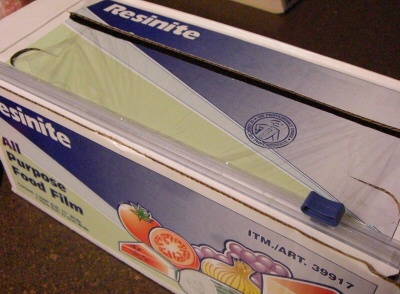
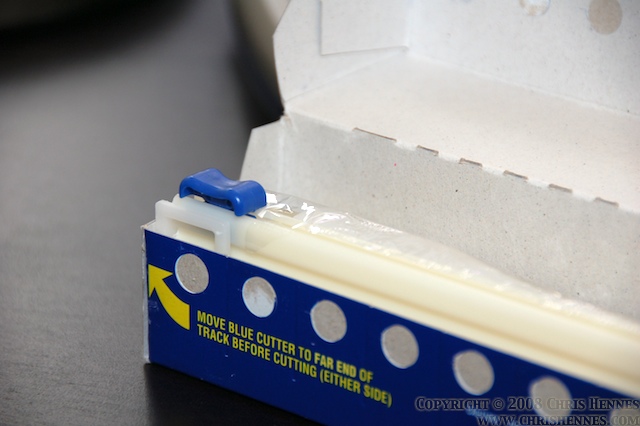
    • Managable plastic wrap (and aluminum foil!). Oh my goodness, France, please design/produce plastic wrap boxes that are useful. Instead of birthing this mess with your useless cardboard teeth, please evolve toward this design or at least this one! For my sanity, please.
    • Not having to worry about stepping in dog poop. I believe this book covers the topic pretty well.
    • My friends and family at home, of course.
    • Netflix instant watch
    • ETA: sweet potato fries

    "Things I have not missed about home"
    • Loud, obnoxious Americans (they exist elsewhere, but at a tolerable density). Yes, I'm assuming I am not one myself.
    • Having to drive pretty much everywhere.
    • High fructose corn syrup
    • ETA: Traffic. Cars. Oh my goodness, so many cars.
    I will keep adding to this list as I think of other things. But for now: merci à tous de mes élèves et des profs à HF et à C pour une bonne année scolaire - bonne continuation!; merci à aux assistants et aux amis (français et d'autres nationalités) à Dijon pour les amitiés chers que nous avons développés et que je voudrais garder - sans vous ce séjour aurait été solitaire; merci aux autres amis qui j'ai visité ou de qui j'ai fait la connaissance pendant mes voyages; merci à ma famille d'accueil (host family) pour votre accueil chaleureux pendant toute l'année, je l'apprécie vraiment. A tout le monde, je ne dis pas adieu, seulement "à la prochaine!"

    That's it for now, Julie out.